

Effect of corn crushing particle size on the development of muscle stomach and intestinal tract in chicks
Release time:
Jul 26,2024
Egg and Poultry Nutrition Center, Anchi Institute of Animal Nutrition
The feed intake is an important factor affecting the body weight gain and laying performance of laying hens. The phenomenon of low feed intake of laying hens often occurs in the first line of breeding. The analysis found that in addition to the feed energy concentration and regular feeding and management factors, it also has a great relationship with the development of the gastrointestinal tract of laying hens in the brooding stage. In this paper, two international academic journal articles were selected to extract the main research results, to clarify the effect of corn crushing particle size on the gastrointestinal development of chicks, and to provide reference for the feeding management of laying hens in the brooding stage.
Test I
Test Design
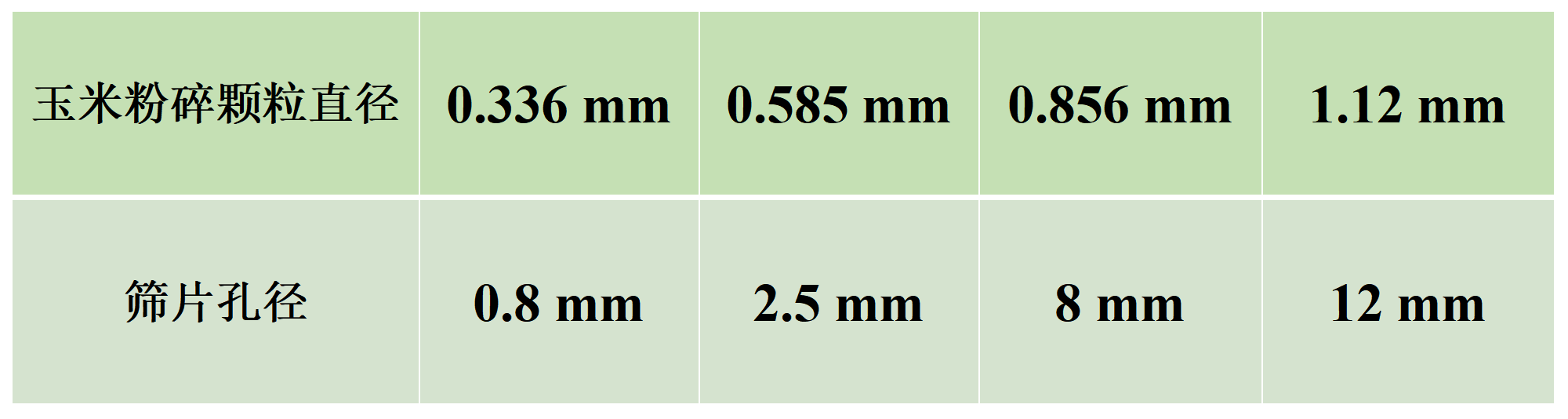
This test is equipped with 4 treatments, and the diameter of the crushed particles and the aperture of the sieve pieces of corn in each treatment group are shown in the table below. The experimental animals were broilers from 21 to 42 days of age, and the feed ingredients and nutritional composition of each treatment group were the same.
Test results
As can be seen from Figure 1, the weight of the chick's muscle stomach increases with the increase of the diameter of the corn crushed particle. When the diameter of the corn crushed particle is 1.12mm, the weight of the chick's muscle stomach is the largest at 42 days old, 41.56g.
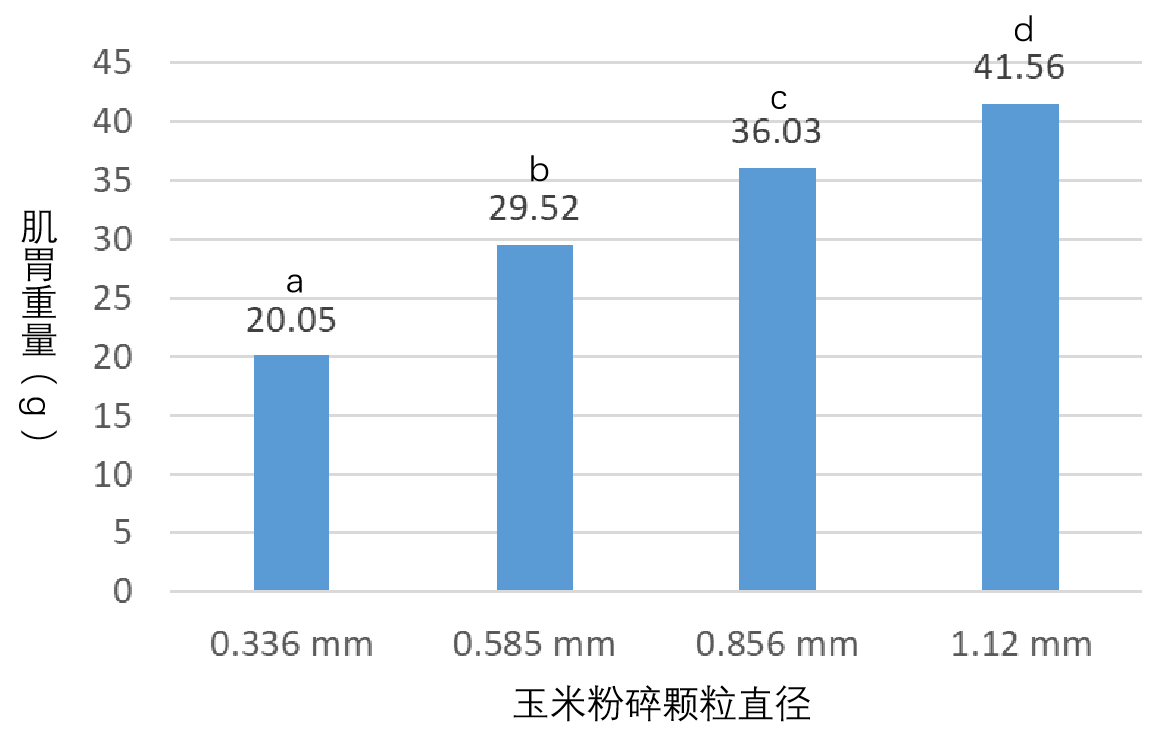
Fig.1 Different particle diameter of corn
Effect on Muscular Stomach Weight of Chickens at 42 days of Age
2, compared with the 0.336mm group, when the diameter of the crushed corn particles was 0.585mm, 0.856mm and 1.12mm, the weight of the duodenum of the chick was significantly increased by about 5g.
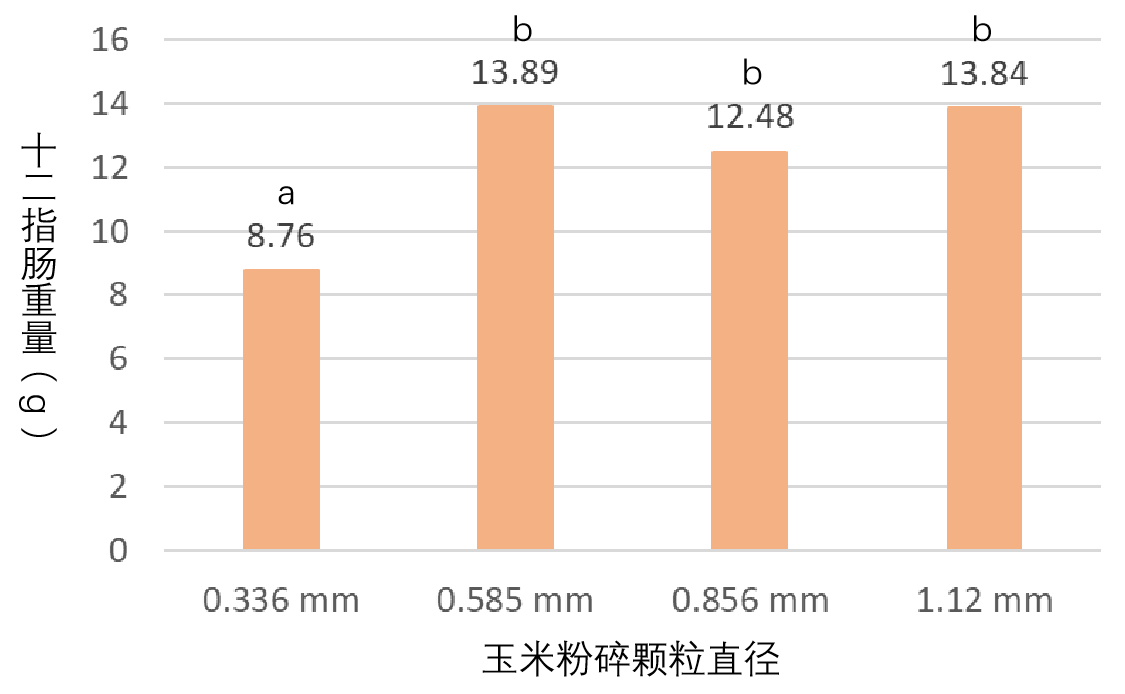
Fig.2 Different corn particle diameter
Effect on Duodenal Weight of 42-day-old Chicks
3, compared with the 0.336mm group, when the diameter of the corn crushed particles was 0.585mm, 0.856mm and 1.12mm, the weight of the jejunum and ileum of the chicks was significantly increased by about 15g.
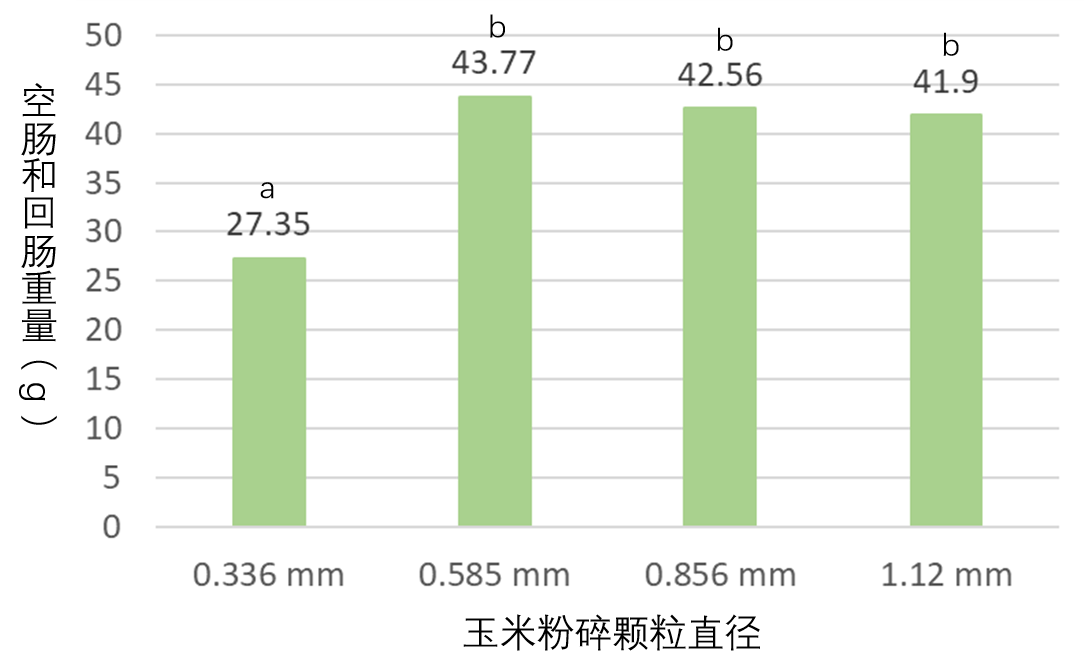
Fig.3 Different corn particle diameter
Effect on the weight of jejunum and ileum in 42-day-old chicks
Test II
Test Design
This test is equipped with 4 treatments, and the diameter of the crushed particles and the aperture of the sieve pieces of corn in each treatment group are shown in the table below. The experimental animals were 0-21 days old broilers, and the feed ingredients and nutritional composition of each treatment group were the same.
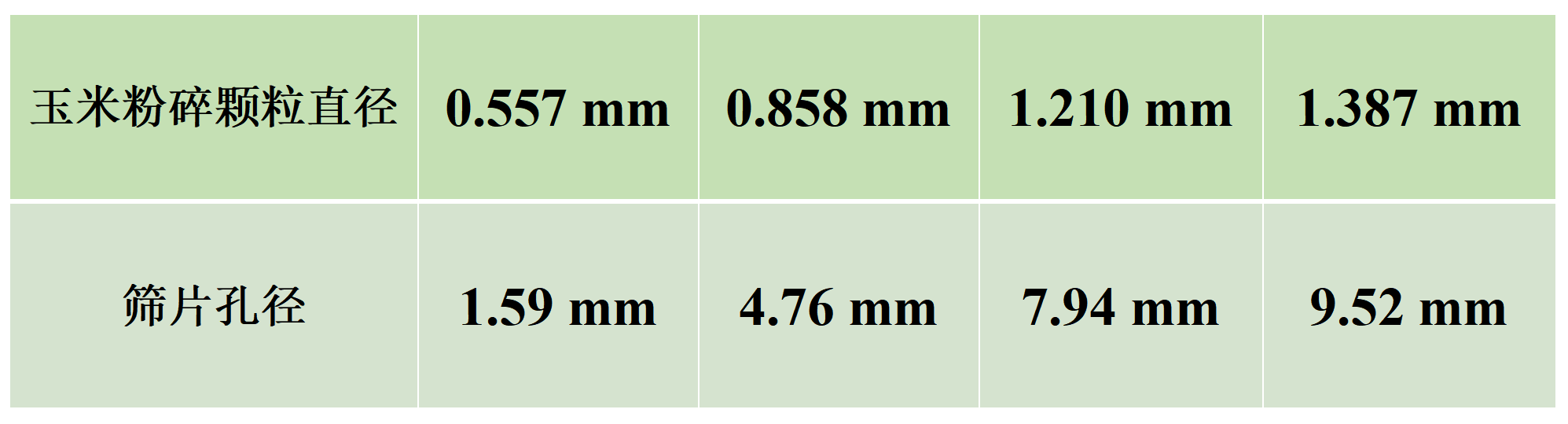
Test results
It can be seen from Figure 4 that the relative weight of the muscle stomach (muscle stomach weight/body weight) increases significantly with the increase of corn particle size, and when the corn particle size is 1.387mm, the relative weight of the muscle stomach is the largest, 2.14.
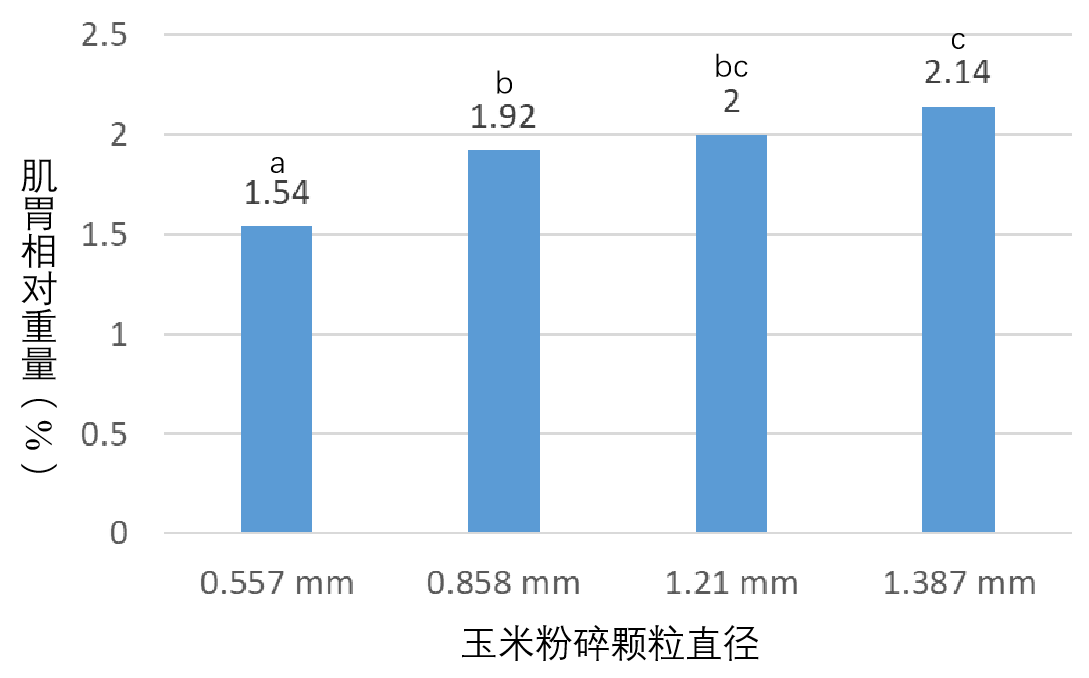
4 Effect of corn particle size on the relative weight of muscle stomach in 21-day-old chicks
Summary
The results of the above two studies showed that increasing the diameter of corn crushed particles could promote the development of muscle stomach and intestinal tract in chicks. For laying hens, reasonable adjustment of the crushing particle size of corn in the brooding and breeding stages can promote the gastrointestinal development of chicks and young chickens, which is conducive to improving the feed intake and digestion and absorption capacity during the laying period.
Related literature links:
Change: 10.3382/ps.0710618
Change: 10.3382/ps.2009-00434
Previous article
More content
A
A
A
A
A
ANCHEE GROUP
TelPhone: 86-531-88771588
Fax: 86-531-88771898
E-mail: ac@anchee.com
Office address: Floor 25, Building 5, Lushang Guoao City, Lixia District, Jinan City, Shandong Province