

Feed production has entered a high-cost era, and the market has become a new normal.
Release time:
Jun 14,2018
Recently, the tide of feed price increases swept across the country, making the industry uneasy. Industry insiders believe that the previous sporadic rise in feed prices is known as "thunder and rain", coupled with the current year-end consumption peak, the egg and pig market situation is better, will continue to support the feed terminal demand, the future feed market is expected to continue to rise steadily. In the future, with the tightening of environmental protection requirements, raw material manufacturers will continue to face the pressure of reshuffle competition, forced to withdraw inevitably, thus feed production will enter the era of high cost, feed market upward will also become the new normal, the industry must be fully aware of this, take precautions.
Feed prices rise across the line, industry profits shrink as a whole
It is understood that since August 2017, although feed prices have risen, they are generally called "thunder and rain" in the industry, and the increase has accelerated significantly in November. Since December, the tide of feed price increases has swept across the country. In many regions, the main reason for the large-scale increase in feed prices is the skyrocketing prices of vitamins and other additives and trace elements. Relevant information shows that the price of feed raw materials has fluctuated significantly since the second half of 2017: for example, the price of corn has risen from 1460 yuan per ton (the same below) to 1670 yuan, soybean meal from 2900 yuan to 3000 yuan, imported fish meal from 10500 yuan to 13500 yuan, bran from 680 yuan to 1500 yuan, baking soda from 1650 yuan to 2100 yuan, and calcium hydrogen phosphate from 1620 yuan to 2100 yuan, imported meat and bone meal rose from 4200 yuan to 5000 yuan, while other corn by-products generally rose by about 100 to 200 yuan.
In addition, the price of vitamin additives has risen alarmingly. For example, pig multidimensional rose from 80 yuan to 218 yuan per kilogram (the same below), cow multidimensional rose from 37 yuan to 152 yuan, layer multidimensional rose from 57 yuan to 167 yuan, broiler multidimensional rose from 76 yuan to 203 yuan, vitamin E rose from 37 yuan to 140 yuan, vitamin C rose from 32 yuan to 60 yuan, biotin rose from 64 yuan to 220 yuan, calcium pantothenate rose from 55 yuan to 800 yuan and vitamin A from 145 yuan to 850 yuan.
According to market research, at present, the price of vitamins is still high, the price of trace elements is still rising exponentially, and the price increase of raw materials is not an example but universal, resulting in the increase of formula cost of feed manufacturers, and the inventory of raw materials is difficult to meet the needs. Most manufacturers can no longer withstand the onslaught of this price rise. According to JCI calculations, the vitamin price index rose to 3.28 in November 2017, up 201 percent from the June low and up 120 percent year-on-year. Affected by this, since November, some large domestic feed enterprises have correspondingly raised the prices of premix and concentrated feed, ranging from 400 to 600 yuan per ton.
When it comes to the market situation in 2017, many farmers are helpless. In fact, despite the current peak of annual consumption, pig prices are gradually picking up,Egg MarketContinued improvement will support the terminal demand for feed and drive the price ratio of pig and grain to pick up. However, due to the recent sharp rise in feed prices and rising breeding costs, it is eroding the profit margin brought about by the rise in the price of livestock products. Whether it is a large listed animal husbandry enterprise or a general farm household, the overall profit of the industry has shrunk significantly.
The most stringent environmental protection era is coming, the shortage of raw materials costs increase
Industry insiders pointed out that in the total cost of breeding, feed accounts for more than 80%. Pork and eggs, as livestock and poultry products, are essentially feed transformations. Changes in the price of feed ingredients will directly affect changes in feed costs, which in turn will affect the price of end products and the overall profits of feed producers and farmers. Needless to say, due to the tightening of environmental protection policies, raw material manufacturers continue to shut down and turn, caused by the shortage of supply of vitamins, trace elements andfeed additiveThe surge, as well as the recent upward price of corn, bran, fish meal and other raw materials, has made feed production costs continue to increase, thus driving feed prices up rapidly.
It is understood that the current surge in vitamin prices is directly related to the accident in Germany's BASF citral plant and the shutdown of many manufacturers due to the high-pressure domestic environmental protection policy. BASF is the world's largest producer of citral and the world's second largest producer of VA, accounting for 26% of the global market share of VA products. After a major fire accident occurred in the factory on October 31, 2017, the production of vitamin series products was significantly reduced, of which the output of VA products will be reduced by about 700-1000 tons. The sharp reduction in vitamin production is bound to have a serious impact on the global supply of food-grade and feed-grade vitamins A and E.
In fact, before the BASF accident, the global market for feed-grade vitamin A was already in a state of tension. Since the summer of 2017, the domestic industry has been restricted by the high-pressure policy of environmental protection, so many vitamin manufacturers have stopped production, and the supply of products is in short supply, resulting in a rise in prices. Since the supply of BASF factory will not be normal until March 2018, vitamin A will not be able to meet the needs of premix production for some time to come. Based on the analysis of the above factors, it is expected that the severe situation of the global feed vitamin A market will not be alleviated until at least the second half of 2018.
According to industry insiders, the prices of corn, bran, soybean meal, and fish meal as the main feed ingredients are also rising. However, as the corn inventory of deep processing enterprises continues to be enriched, the current procurement plan is becoming more and more rational, and some market entities have withdrawn from the battle. Recently, the purchase price of corn in Northeast China has risen and fallen, gradually opening the pattern of shock adjustment. In the short term, the corn market may maintain the status quo, and there may be no strong support to go up.
Industry insiders stressed that the start-up rate of domestic fishmeal manufacturers has continued to decline recently, and the output of fishmeal has decreased significantly. At the same time, the stock of fishmeal in ports is currently less than 110000 tons, and domestic feed enterprises still have a demand for stock around the Spring Festival. In view of the tight in stock supply, the seller's market advantage is obvious, and as the existing supply of fish continues to consume, fishmeal is expected to have room for growth.
Industry reshuffle is inevitable price upward trend
For a long time, China's feed enterprises have the problem that the development speed of aquaculture industry does not match the development speed of feed processing enterprises. At present, the degree of intensive farming in China is low and the development speed is slow, which affects the further improvement of the household rate of commercial feed. At the same time, the extensive management behavior of most enterprises makes the market chaos more serious. After the full launch of the central environmental protection inspector, with the advent of the most stringent environmental protection era, feed factories that do not meet the requirements of environmental protection are ordered to stop production for rectification, small and medium-sized enterprises will be forced to withdraw in the inferior competition, the competition pattern of leading enterprises in the industry will continue to be maintained, and the industry concentration is expected to be further improved.
According to the statistics of China Feed Industry Association, there were 9000 feed production enterprises in 2016, a decrease of more than 1000 or 8% year on year. Among them, there were 2971 pre-mixed feed companies, 96 less than the same period last year, down 3.1 percent;feed additive1377, down 63, down 4.4 percent, and 1941, down 73, down 3.6 percent.
From the historical law, the rebound of feed raw materials in winter is also a high probability event. Because the fourth quarter is the traditional peak period of consumption of livestock and poultry products, there are still major benefits for the feed demand side-the concentrated slaughter before the Spring Festival is bound to drive the peak period of pig breeding in the next few months, and the current rapid increase in egg prices It will also mobilize the enthusiasm of farmers to supplement the hurdles, and then form a certain support for the increase in feed consumption demand. Therefore, it is estimated that the total feed output in 2017 will be about 0.212 billion tons, an increase of about 1.2 percent over the same period last year, and feed production and prices as a whole are in a trend of steady increase and rise.
In the long run, with the acceleration of urbanization and the continuous improvement of living consumption level, the market demand for meat, eggs and milk will increase even more. There is still a lot of room for the development of feed industry in the future. With the reduction of domestic corn planting area and the gradual removal of inventory, the aquaculture industry has gradually implemented and adjusted the relevant environmental protection rectification measures, and the supply and demand structure has been further improved, Corn prices are expected to gradually show an upward trend, the most stringent era of environmental protection is coming, small and medium-sized enterprises are forced to withdraw, feed raw materials and additive raw materials supply shortage situation is difficult to alleviate in the short term, price rise becomes inevitable, and then will drive feed production into the era of high cost, feed market overall upward or will become the new normal.
Next
Latest News
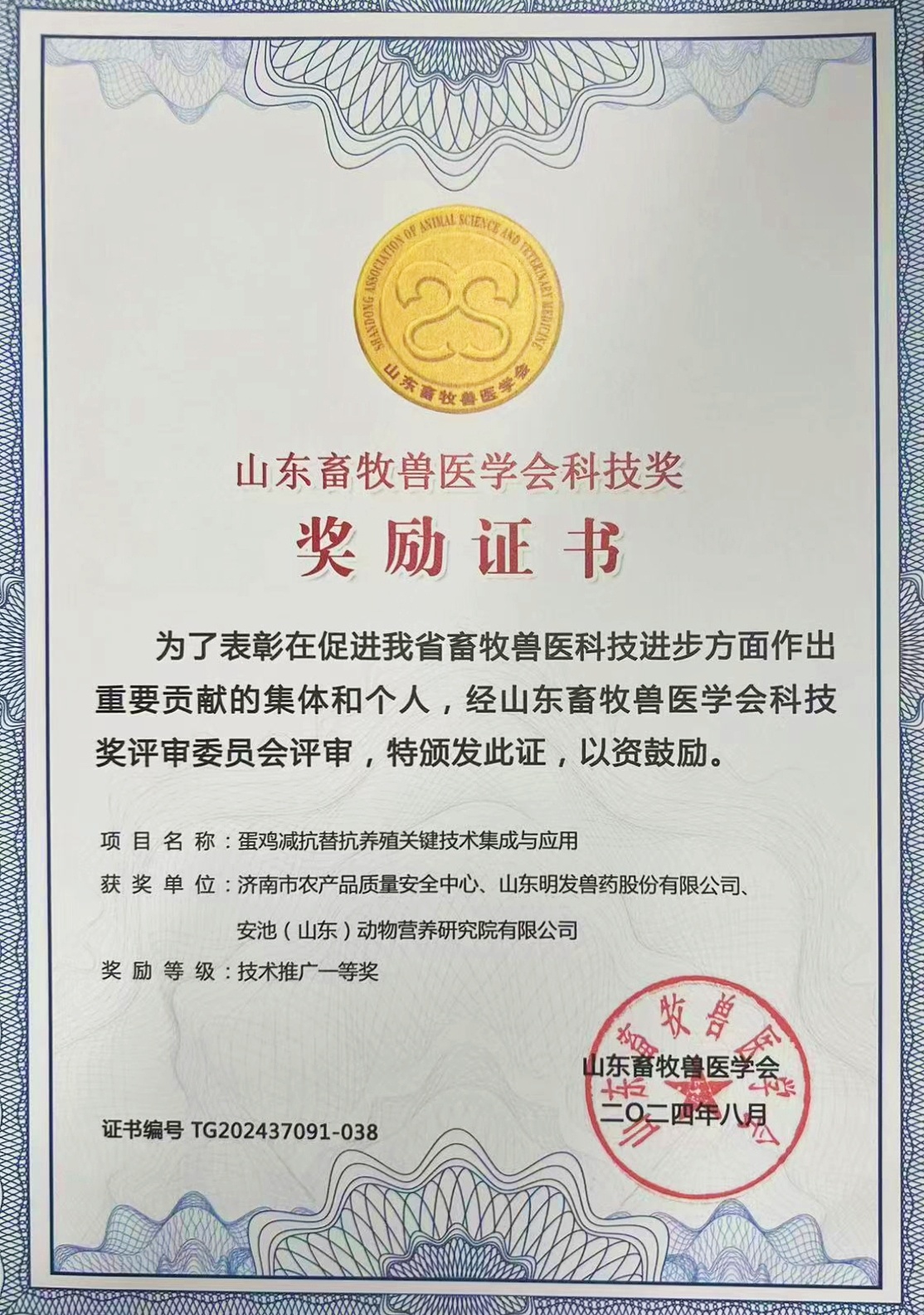
This research won a double award!
Recently, Anchi group came good news. The project "Integration and Application of Key Technologies for Reducing Resistance and Replacing Resistance in Laying Hens" completed by Anchi Institute of Animal Nutrition won the first prize of technology promotion of Shandong Animal Husbandry and Veterinary Association and the second prize of 2024 Veterinary Science and Technology Award of Shandong Veterinary Association.
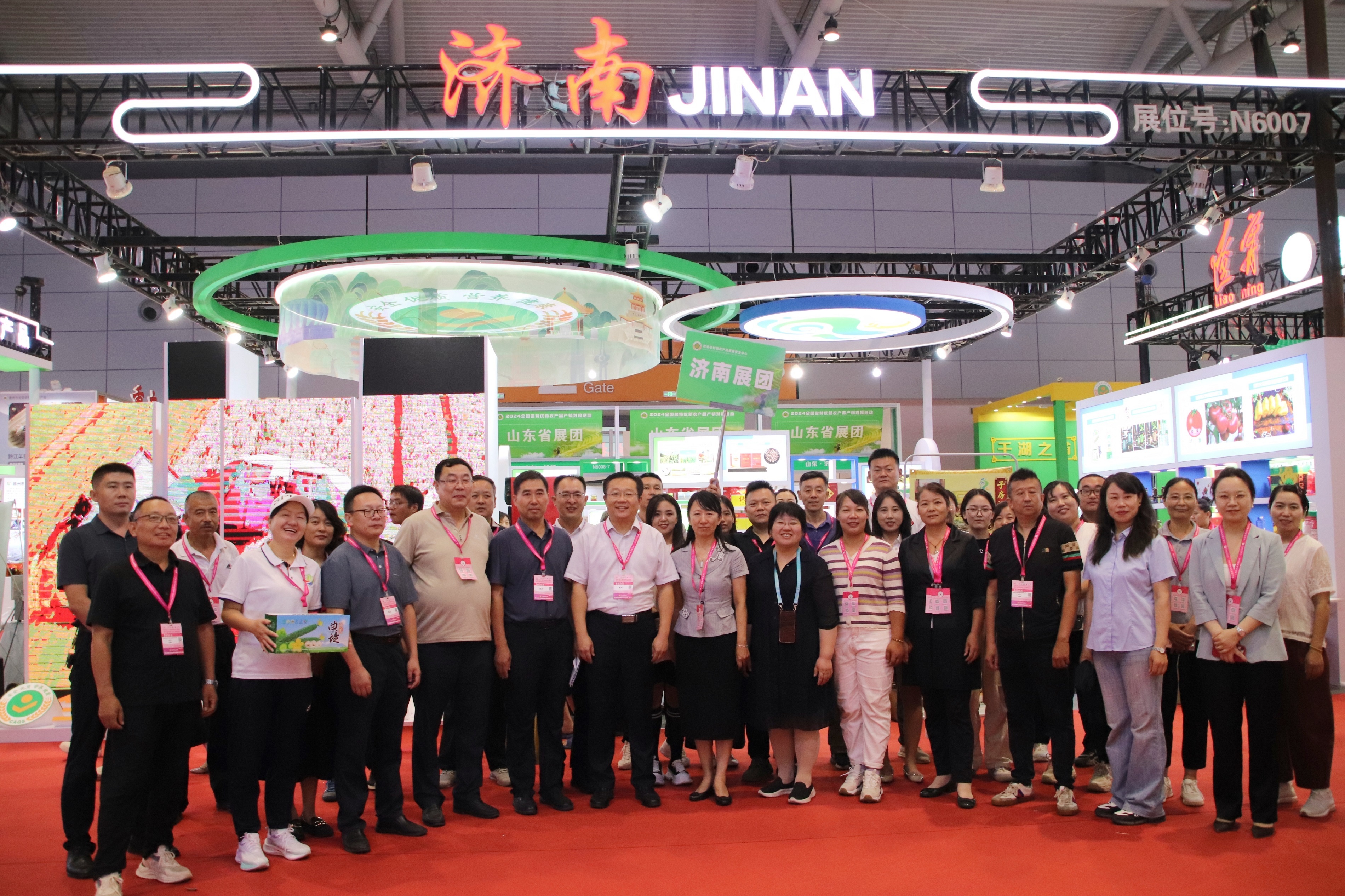
From September 10 to 12, the 2024 national famous, special and high-quality new agricultural products production and marketing docking activity with the theme of "promoting agriculture by quality, promoting agriculture by green, and strengthening agriculture by brand" was successfully held in Jinan. More than 1200 kinds of famous, special, high-quality and new agricultural products from 29 provinces (autonomous regions and municipalities) across the country participated in the exhibition on a grand scale and unprecedented grand occasion. As one of the famous, special and excellent new agricultural products in the country, Anchi Group's billion fresh eggs also appeared at the event site.
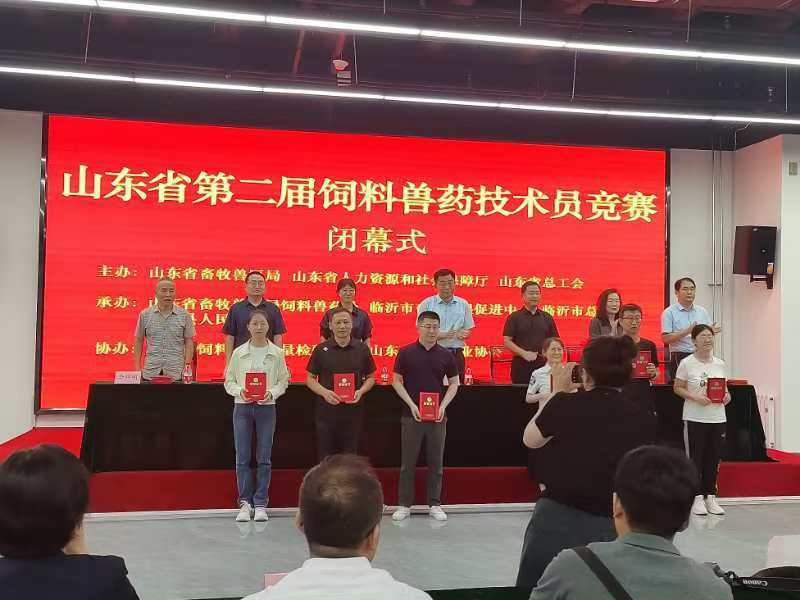
In the course of the competition, Zhu Wenxue of the Anchi Institute of Animal Nutrition won the third prize with outstanding performance.
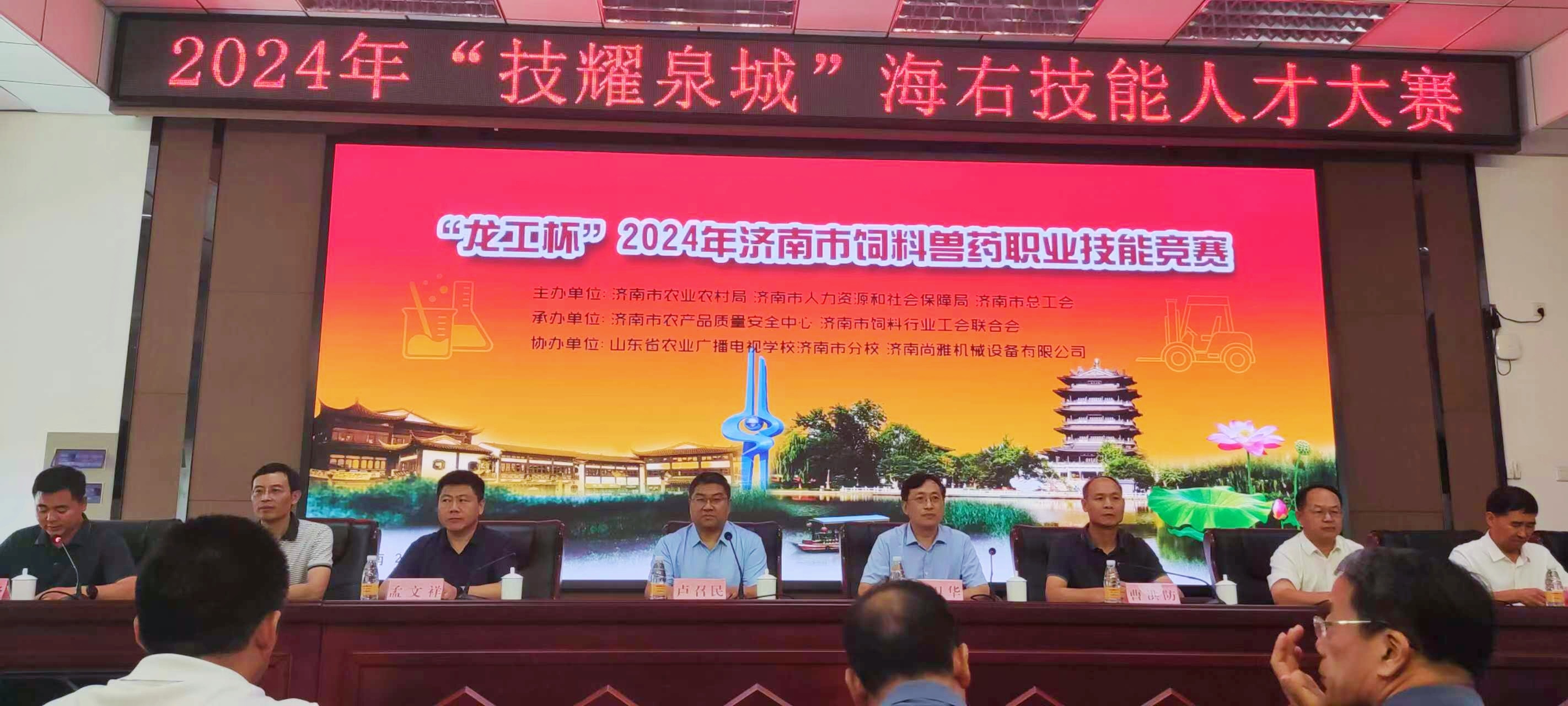
From August 6 to 7, good news came from Anchi Group. The company won another success in the "Longgong Cup" 2024 Jinan Feed Veterinary Drug Vocational Skills Competition jointly sponsored by Jinan Agriculture and Rural Bureau, Municipal Human Resources and Social Security Bureau, and Municipal Federation of Trade Unions.

The mid-year training meeting of Anchi Group Pig North China Company was successfully held.
On August 5, Anchi Group Pig North China Company held a training meeting in Tangshan. Anchi Pig North China Market Sales Manager and some sales elites participated in the training.
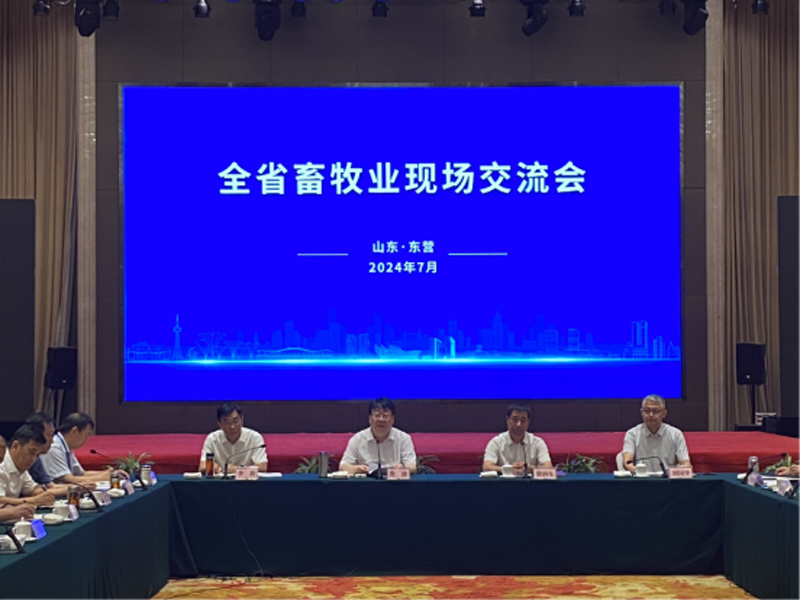
The provincial animal husbandry on-site exchange meeting was held in Dongying
From July 23 to 24, the provincial animal husbandry on-site exchange meeting was held in Dongying. The meeting thoroughly studied and implemented the spirit of General Secretary Xi Jinping's inspection of Shandong's important speech, the spirit of the third Plenary session of the 20th CPC Central Committee, and the spirit of the sixth Plenary session of the 12th Provincial CPC Committee, summed up the exchange work, analyzed and judged the situation, made clear ideas and objectives, and deployed work tasks. we will promote the high-quality development of animal husbandry in the province and take the lead in the overall development of animal husbandry in the country. Lu Bo, secretary of the party leading group and director of the Provincial Animal Husbandry Bureau, attended the meeting and delivered a speech, and Li Xin, member of the party leading group and deputy director, presided over the meeting.
ANCHEE GROUP
TelPhone: 86-531-88771588
Fax: 86-531-88771898
E-mail: ac@anchee.com
Office address: Floor 25, Building 5, Lushang Guoao City, Lixia District, Jinan City, Shandong Province