

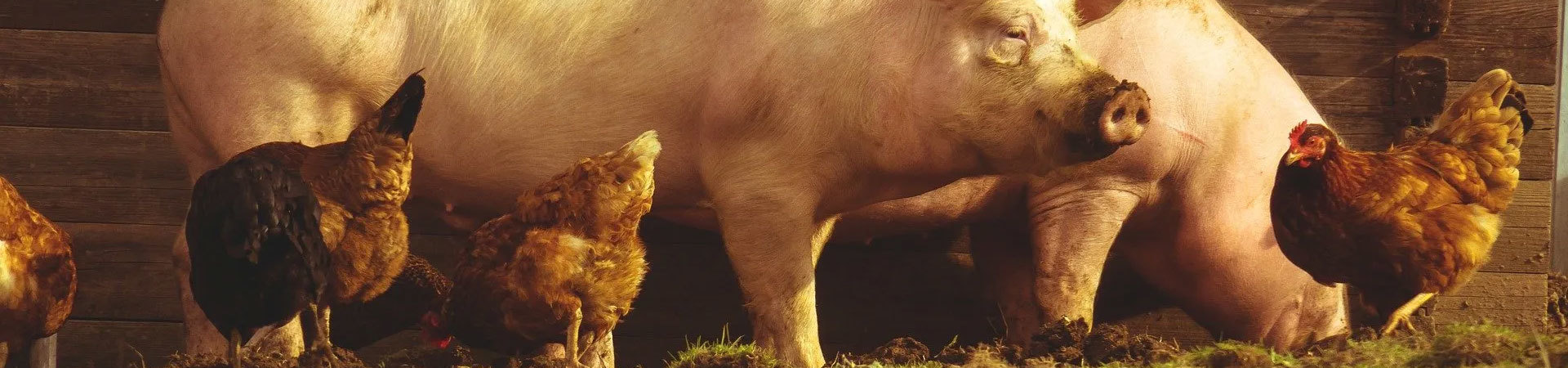
Guardians of the Wild: Innovative Animal Protection Products Making Waves
Release time:
Jun 27,2025
Guardians of the Wild: Innovative Animal Protection Products Making Waves
If you’ve ever watched a nature documentary and felt your heart tug at the plight of endangered species, you’re not alone. The struggle to protect our furry, feathered, and finned friends has never been more crucial. Enter the realm of animal protection products, which are not just innovative but also crucial in safeguarding wildlife and domestic animals alike. Buckle up; we’re diving into some fascinating industry cases that highlight the transformative power of these products!
What Are Animal Protection Products?
So, what exactly are these magical animal protection products? Well, they range from eco-friendly materials that deter poaching to high-tech collars that track endangered species. In essence, they aim to create a safer environment for animals. And let’s be honest; who doesn’t want to play a part in saving the planet’s precious creatures?
Case Study: The Smart Collar Revolution
Let’s talk tech! Meet the smart collar, a nifty gadget that’s been a game-changer for animal protection. For instance, a company called Wildlife Innovations has been at the forefront of this tech. Their collars use GPS and AI to track animal movements, providing invaluable data to conservationists. Not only do these collars help monitor endangered species, but they also alert teams if an animal strays into dangerous territory. Talk about a win-win!
Eco-Friendly Materials: A Sustainable Approach
In addition to tech, eco-friendly materials are making a splash in the realm of animal protection products. For instance, companies like GreenPaws are creating biodegradable toys and accessories. These products are not only safe for pets but also reduce plastic waste that can harm wildlife. It’s a double whammy for the environment!
Why Go Green?
By opting for eco-friendly options, consumers are voting with their wallets. They’re saying, "Hey, I care about the planet and its inhabitants!" This shift in consumer behavior is prompting more companies to prioritize sustainability in their product lines. Plus, it creates a ripple effect, encouraging innovation across the board.
Community Initiatives: Local Heroes
Now, let’s not forget about grassroots efforts. Local communities are stepping up to the plate, often leading the charge in animal protection. Take, for instance, the Pet Rescue Initiative in a small town in Oregon. They’ve launched a program that combines awareness campaigns with the distribution of animal protection products like leashes, collars, and food supplies. This initiative not only helps animals in need but also fosters community spirit.
The Power of Education
Education is another cornerstone in the fight for animal protection. Organizations like the Animal Welfare Society are running workshops to teach people about the benefits of using animal protection products. From understanding the impact of habitat destruction to the importance of adopting pets instead of buying, these sessions are changing minds and saving lives.
The Ripple Effect of Knowledge
When people understand the consequences of their choices, they make more informed decisions. This, in turn, leads to a greater demand for animal-friendly products. It’s like casting stones in a pond; the ripples keep spreading!
Challenges Ahead
Of course, it’s not all rainbows and butterflies. The industry faces challenges such as funding, regulatory hurdles, and sometimes, a lack of awareness. But the passionate individuals and organizations dedicated to animal protection are tackling these issues head-on. With every challenge comes an opportunity for growth and innovation.
Final Thoughts: Be the Change!
So, what can you do? Start by educating yourself about animal protection products and support brands that align with your values. Whether it’s purchasing eco-friendly pet toys or donating to local rescue organizations, every little bit helps. Together, we can create a world where animals thrive, and our planet is a better place for all its inhabitants. Remember, the future of wildlife is in our hands. Let’s make it count!
Previous article
More content
A
A
A
A
A
ANCHEE GROUP
TelPhone: 86-531-88771588
Fax: 86-531-88771898
E-mail: ac@anchee.com
Office address: Floor 25, Building 5, Lushang Guoao City, Lixia District, Jinan City, Shandong Province