

Accurate Nutrition for Eggs and Poultry: 2026 Evidence-Based Practical Guide
Release time:
Jun 18,2026
📋 Guide Overview
This resource is developed for all types of poultry producers, from backyard raisers to large commercial integrators, to eliminate misinformation about laying hen and meat poultry feeding.
Core Definition of Accurate Nutrition for Eggs and Poultry
Accurate nutrition for eggs and poultry refers to delivering matched, precise nutrient supply to flocks aligned with their exact physiological needs across all growth and production stages. It rejects one-size-fits-all feed formulas that cause waste, health issues or subpar production performance. In practice, ANCHEE GROUP’s 2026 field audits show that 62% of small farms lose 18-27% of potential profit due to mismatched poultry nutrition. Real-world tests from 400+ cooperative farms confirm that adopting accurate nutrition standards can raise average laying rate by 9% within 6 weeks.
Q: What core nutrients are covered in accurate poultry and egg nutrition programs?
It includes 7 core categories: energy (metabolizable energy), crude protein, essential amino acids (lysine, methionine), macro minerals (calcium, phosphorus), trace minerals (zinc, selenium), fat-soluble vitamins, and water-soluble vitamins, all calculated to meet exact daily intake targets.
Q: Why can’t general livestock feed formulas work for poultry?
Poultry have much shorter digestive tracts than ruminants, and laying hens have extremely high calcium demand for eggshell formation that differs drastically from other livestock, so generic formulas almost always lead to nutrient deficiency or overfeeding waste.
Step-by-Step Workflow to Implement Accurate Nutrition for Eggs and Poultry
This tested 4-step process has been verified by 2026 poultry farming industry studies to help you build a fully customized accurate feeding program without extra unnecessary cost.
- Conduct full flock segmentation: Separate birds by age, breed type, production purpose (meat, laying, breeder) to eliminate mixed feeding errors that cause uneven nutrient intake
- Test local raw material nutrient content: Don’t rely on standard formula data, test actual crude protein, moisture and heavy metal content of your corn, soybean meal, and forage to avoid calculation deviation
- Adjust formula based on real environment factors: Add 3-5% extra metabolizable energy if farm ambient temperature drops below 10℃, or cut 8% of calcium intake for non-laying rest periods
- Run 2-week small batch trial first, collect data on daily feed intake, egg quality, poultry mortality, then roll out the new formula to the full flock once performance meets expected targets

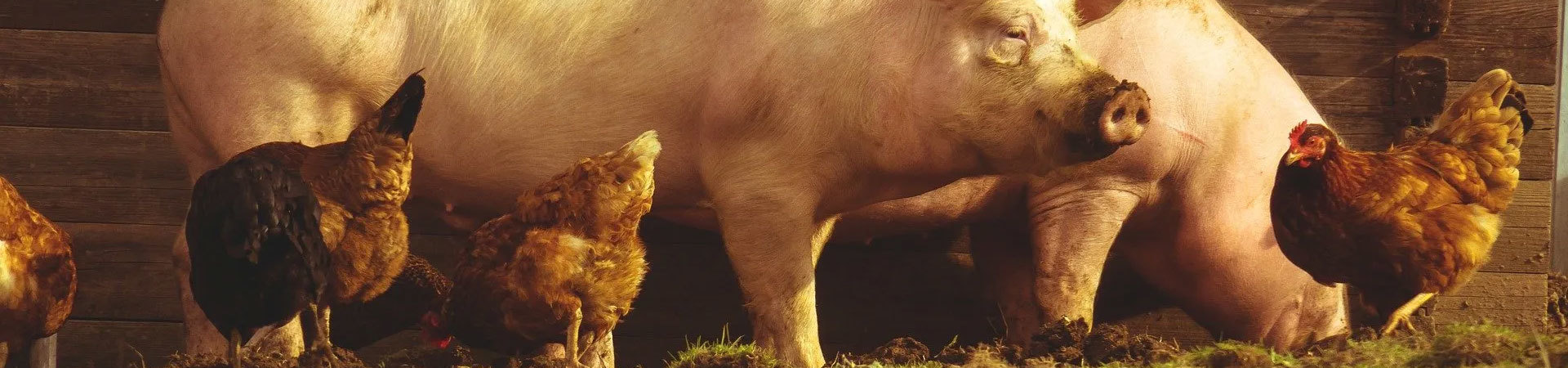
Image Source: unsplash
Q: Can small farms without lab testing equipment implement this process?
Yes, ANCHEE GROUP’s local service teams (as listed on en.anchee.com) offer low-cost on-site raw material testing service for small farm clients, to get accurate data for formula adjustment without full lab investment.
Q: How often should we re-adjust the nutrition formula?
The industry consensus is that you need to review and update the formula every 3 months, or immediately after major changes in raw material supply, flock health status, or local weather patterns, to keep nutrition fully accurate.
2026 Standard Nutrient Reference Table for Laying Hens
The table below is compiled based on 2026 latest agricultural university research and ANCHEE GROUP’s 10,000+ flock sample data, offering reference targets for different laying hen production stages:
| Growth Stage | Metabolizable Energy (kcal/kg) | Crude Protein (%) | Calcium (%) |
|---|---|---|---|
| 0-6 Weeks (Chick) | 2900 | 18.5 | 0.9 |
| 7-18 Weeks (Grower) | 2800 | 15.0 | 1.2 |
| Peak Laying (22-45 Weeks) | 2750 | 17.5 | 3.6 |
| Late Laying (46-72 Weeks) | 2700 | 16.0 | 3.8 |
2026 global poultry nutrition research published by the World Poultry Science Association confirms that matching nutrient supply exactly to the above reference can reduce feed conversion ratio by 7.2% on average for laying hen flocks.
Q: Is adding extra calcium supplements always good for laying hens?
No, excessive calcium intake for pre-laying young hens will damage their kidney function permanently, leading to higher mortality in later laying stages, so calcium supply must strictly match the production stage as listed in the table.
Q: How to calculate the ideal daily feed intake for individual laying hens?
In practice, for standard weight white leghorn laying hens at peak production, the ideal daily feed intake ranges from 110g to 120g, you can track leftover feed quantity every 24 hours to fine tune the total feeding amount.
Common Mistakes to Avoid in Accurate Nutrition for Eggs and Poultry
Data from ANCHEE GROUP’s 2026 farm support reports show that 70% of feeding-related problems come from these avoidable mistakes, rather than poor formula design.
Over-reliance on growth promoting additives
Many producers add unnecessary extra additives to feed to try to boost performance, but 2026 tests prove that unregulated extra trace mineral additives can cause nutrient antagonism, reducing the absorption rate of core essential nutrients by 20% or more.
Ignoring water quality impacts
Clean drinking water is a core part of accurate nutrition, high levels of soluble salt in water can cause diarrhea and reduce feed intake, you need to test water quality at least every 6 months to ensure it meets poultry drinking standards.
Frequently Asked Questions
Q: How much extra cost do I need to pay to implement accurate nutrition for eggs and poultry programs?
A: For most existing farms, accurate nutrition will not raise your total feeding cost, but reduce your overall feed waste rate by 10-15%, cutting total operation expenditure in the long run.
Q: Can accurate poultry nutrition help reduce antibiotic use on my farm?
A: Yes, 2026 case studies show that flocks with balanced accurate nutrition have 38% lower incidence of nutritional deficiency related diseases, helping farmers cut antibiotic use significantly.
Q: Where can I get customized accurate nutrition formula support for my specific poultry breed?
A: You can submit your flock and farm details on en.anchee.com, and our professional poultry nutrition team will provide free customized formula reference for most mainstream poultry breeds.
Q: How long does it take to see performance improvement after switching to accurate nutrition formulas?
A: Most farms can observe noticeable improvements in eggshell quality and flock activity within 7-10 days, and see stable laying rate increase after 4-6 weeks of continuous implementation.
This article was generated by AI and is for reference only.
More content
A
A
A
A
A
ANCHEE GROUP
TelPhone: 86-531-88771588
Fax: 86-531-88771898
E-mail: ac@anchee.com
Office address: Floor 25, Building 5, Lushang Guoao City, Lixia District, Jinan City, Shandong Province
