

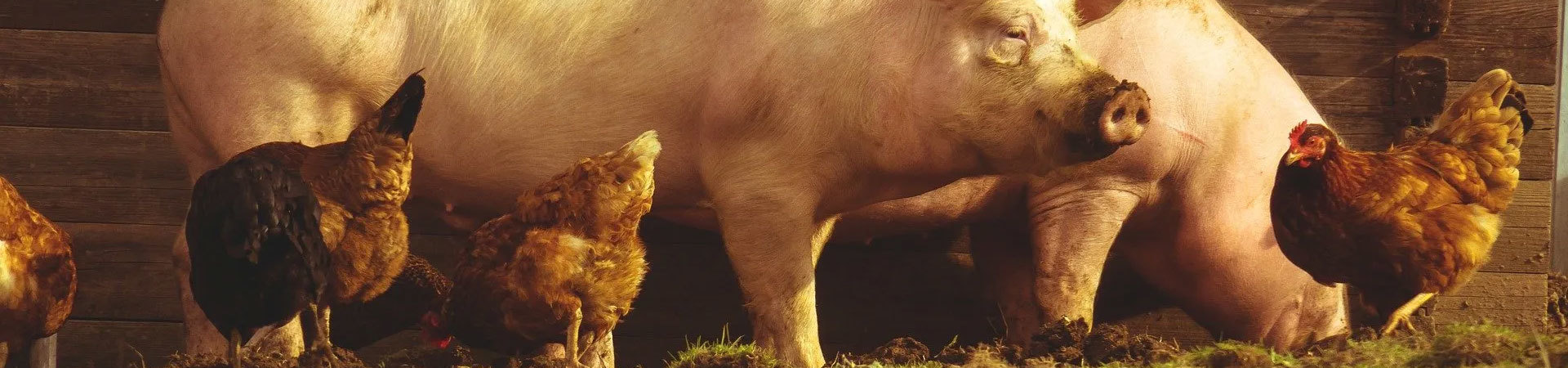
In winter, we should focus on preventing these chicken diseases.
Release time:
Dec 02,2018
The large temperature difference in winter is the main cause of viral diseases in chickens. Therefore, whether the prevention and control measures of chicken epidemic disease in winter are correct or not will determine the health of chicken flocks in breeding enterprises in winter, and also directly affect the success or failure of chicken breeding. The following chicken diseases are the main objects of prevention and control in winter and cannot be ignored.
1Avian influenza(AI)
H5N1: Highly pathogenicAIIn recent years, it still occurs from time to time in various places, and laying hens and breeders should be prevented and controlled as the first epidemic disease. in each year9~10In January, laying hens and breeders should first inoculate their flocks to achieve general prevention. Immunization is carried out every two months in autumn and winter to ensure that the chickens have a higher antibody level. Only in this way can the maximum prevention and control effect be guaranteed.
H9: DueH9Avian influenza virus is sensitive to low temperature and cold wind. If chickens are stimulated by these stress factors, the chickens will develop rapidly and spread quickly, posing a threat to chicken breeding.
ForH9Several problems should be paid attention to in the prevention and control of the disease. First, the strains prevalent in different regions are different, and the cross-action of different strains is weak, which brings confusion to the prevention and control of the disease. It is suggested that the relevant vaccine factories should be contacted in autumn to select vaccines made by local or nearby epidemic strains. More importantly, in autumn and winter, how to prevent the large temperature difference in the chicken house and avoid cold stress, vaccination is recommended to be vaccinated once every two months, and proper pre-temperature of the vaccine before vaccination is also very important.
2Newcastle disease(ND)
Newcastle disease in chickens is also high in autumn and winter. At present, the manifestations of Newcastle disease in laying hens are mostly atypical, and most of them are genotype VII.
Regarding vaccination, there are the following suggestions: First, insist on antibody testing and rely on antibody testing to select vaccines for vaccination; antibody titers are lower6Get vaccinated as soon as possible. The second is to choose gene type VII vaccine for vaccination, freeze-dried vaccine as much as possible to choose domestic Newcastle disease vaccine. Three is the inoculation interval oil seedlings not less90Days, inoculation of freeze-dried seedlings dose should not be too large, it is recommended to point eye drops nasal use2Double volume, drinking water2.5~3double amount; adult chicken drinking water dose4Double the amount.
3Chicken infectious bronchitis(IB)
Autumn and winter season, chickenIBThe incidence is higher. chicks10~30Reproductive type at ageIBAfter the sexual maturity of laying hens tubal development will cause irreversible damage, in90The onset of tubal cysts or undeveloped around the age of day. Therefore, in the egg chicks or breeder brooding period, especially in winter must do a good job of immunization. Breeder or layer1Age and10Day of age must be inoculatedM41,QX Ma5Effective prevention;10Day-old simultaneous injection of fresh oil seedlings(VII H9).6~7Weeks of New Freeze-dried SeedlingsLa-Ma5-QXDrinking water while injecting new tributaries(Containing reproductive type of transmission)can be effectively protected.
More content
A
A
A
A
A
ANCHEE GROUP
TelPhone: 86-531-88771588
Fax: 86-531-88771898
E-mail: ac@anchee.com
Office address: Floor 25, Building 5, Lushang Guoao City, Lixia District, Jinan City, Shandong Province
