

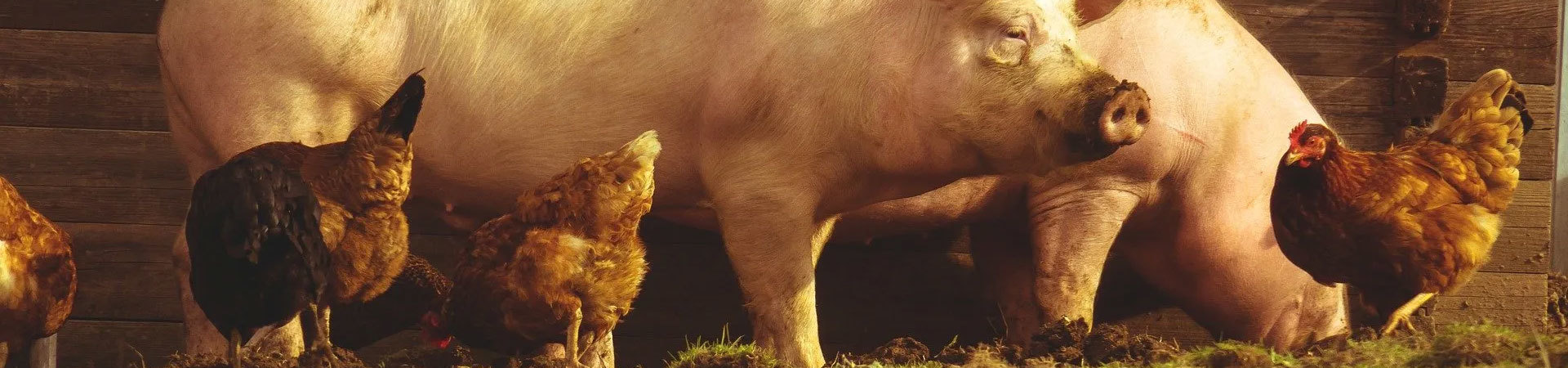
Causes and prevention of chapped and bleeding in chicken feet of laying hens
Release time:
Mar 10,2020
Laying hens in60From the age of about days to the stage of young chickens before the opening of the chickens, the phenomenon of chapped, bleeding and scabbing often occurs. The proportion of chickens in the flock is not high, and it can be recovered after laying eggs, which has no effect on production performance. There is also a mold or disease factor that requires prevention and treatment. The specific reasons are analyzed as follows.
1. Feeding management reasons:
( 1) The brood, the brood stage,Chicken coopThe internal illumination time is long, the illumination intensity is large, the temperature in the house is high, and occasionally someChicken coopDue to poor ventilation, high content of harmful gases such as ammonia, and high breeding density, chickens are irritable in the cage, or after being frightened, chickens trample on each other, resulting in traumatic bleeding of chicken feet.
(2) The poor breeding environment leads to the pecking addiction of chickens, resulting in bleeding and the formation of pecking addiction, especially in the stage of brooding with high density, which is more likely to form this disease.
Solution:This phenomenon is very common in chicken farms. Pay attention to distinguish it from diseases and observe the state of chickens in chicken houses frequently. Strengthen the feeding management, do a good job in the environment and feeding management of the chicken house, strictly control the density, control the light time and intensity, and deal with the chicken flock with pecking addiction in time.
2.Cage reasons:
In some chicken farms, cages have been used for a long time, the cages are seriously rusted, or the cages are of poor quality and damaged. In addition, the chickens are sensitive and frightened, resulting in rupture and bleeding or infection and bleeding in the paws and other parts of the chickens.
Solution: Patrol in the chicken coop more, find problems in time, select qualified cages, replace damaged cages in time, do a good job in feeding management, and stop bleeding and reduce inflammation in time for chickens with a large proportion of bleeding.
3.Pathological causes:
(1) Avian lymphocytic leukemia: the disease mainly begins to occur after sexual maturity, occurs after egg laying, has tumor in chicken paw, and blood flow does not coagulate after ulceration until excessive blood loss and death. Pay attention to distinguish.
Solution: It is found that the sick chickens with this disease have no feeding and therapeutic value, and it is recommended to eliminate them.
(2) Intestinal diseases: coccidiosis, tapeworm, roundworm, enteritis, enterotoxic syndrome and other factors caused by intestinal diseases can destroy the intestinal mucosa, resulting in weakened normal intestinal absorption function, resulting in some essential nutrients, especiallyBThe absorption of vitamins is reduced, leading to a lack of the body, resulting in dermatitis, such as paw skin cracking and bleeding
Solution: relieve the cause, symptomatic treatment, eliminate intestinal inflammation, add WeiShengKang and other live bacteria feed, restore normal intestinal function, supplement adequate nutrition, especially enough compoundBGroup of vitamins.
(3) Mold contamination: The problem of mold must be paid attention to, but mold is everywhere,Corn, wheat raw materials, etc. have begun to mildew before harvesting in the field,Corn,Soybean MealDuring the processing and storage of raw materials such as bran, the feed is stored in the chicken coop for a slightly longer time under high temperature and high humidity at the bottom of the trough. The biofilm on the inner wall of the pipeline, nipple, water tank and other drinking water systems in the chicken coop is easy to produce mold, especially aflatoxin.B1Strong toxicity and pollution.
The pollution of mold and its toxin to the feed leads to the imbalance of feed nutrition, the damage to the immune organs, liver and kidney of the chicken body, and the damage to the digestive system is also very serious, which leads to the weakening of the normal absorption function in the intestine, resulting in the lack of the body.BVitamins, coupled with some mold and its toxin itself on the paw and skin damage, and then appear some symptoms such as dermatitis bleeding.
Solution: strictly control the quality of raw materials, pay attention to the storage time of feed, especially in the high temperature and humidity season, it is recommended to regularly add some mildew and mildew, promote immunity products. Pay attention to the clean and tidy environment in the chicken house, clean the drinking water system regularly, clean and disinfect, pay attention to the empty trough, and treat the sick chickens.
(4) Staphylococcus infection: chicken flocks with high density, old cage equipment and poorly ventilated chickens are prone to this disease. Generally, chicken flocks with leg disease caused by Staphylococcus infection have a small incidence rate and are sporadic, and the paws of the affected chickens are generally swollen. In severe cases, the skin at the swollen part becomes purple, fever and bleeding after ulceration.
Solution: Do a good job in feeding management, pay attention to the cleanliness of the chicken coop, keep the air circulating, pay attention to disinfection, and pick out the sick chickens separately and treat them with regular antibiotics.
More content
A
A
A
A
A
ANCHEE GROUP
TelPhone: 86-531-88771588
Fax: 86-531-88771898
E-mail: ac@anchee.com
Office address: Floor 25, Building 5, Lushang Guoao City, Lixia District, Jinan City, Shandong Province