

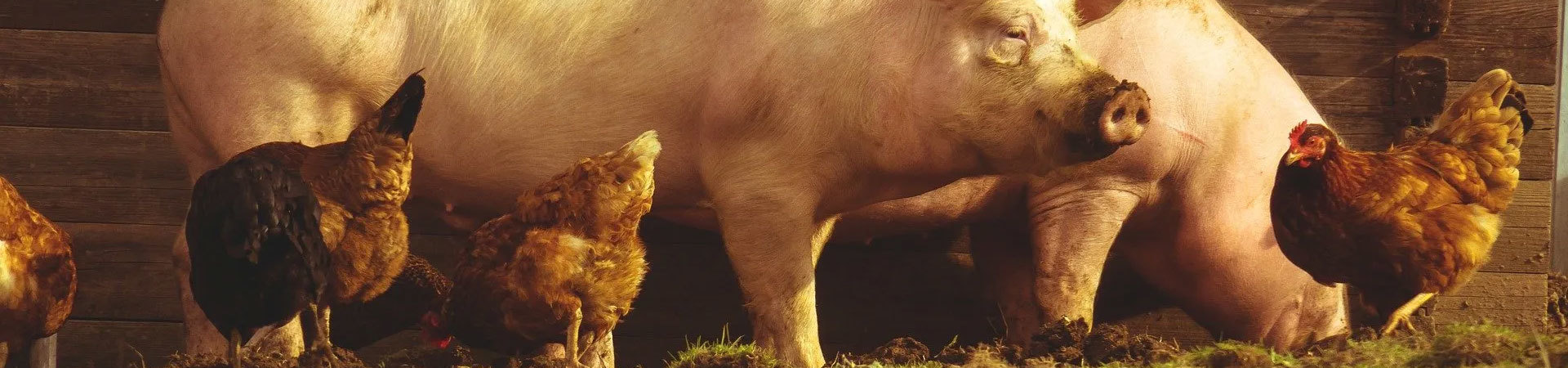
Nutritional Regulation of Heat Stress in Laying Hens
Release time:
Jun 14,2018
In the heat stress environment, the chicken to maintain normal physiology and production needs to have adequate nutritional supplements, and when the ambient temperature exceeds 27 ℃, the feed intake of laying hens will decline with the increase of temperature. In order to solve this contradiction, it is necessary to adjust the feed nutrition according to the feed intake of chickens and increase the nutrient concentration to make up for the deficiency of energy, crude protein, mineral and multivitamin intake due to heat stress.
1. Energy concentration adjustment
The reduction of feed intake in heat stress makes the energy intake insufficient. A large number of studies have shown that increasing the content of energy substances in feed can improve the production of heat stress poultry. At present, an ideal method to improve the energy in feed is to use fat instead of carbohydrates, because fat has low heat production, which can increase the retention of energy in the body. At the same time, fat can change the palatability of feed and prolong the residence time of feed in the digestive tract, so as to improve the feed intake and digestion and absorption of laying hens. Heat stress in the amount of fat in the feed to 1-2% is appropriate.
2. Adjustment of protein and amino acid
In the heat stress, the traditional way is often to increase the content of crude protein in the feed to maintain the lack of protein intake of laying hens, but the heat produced by protein metabolism is much higher than that of carbohydrates and fat, which increases the accumulation of metabolic heat production in the body. Therefore, the addition of protein not only increases the cost of feeding, but also aggravates the heat stress to a certain extent. At present, many nutritionists advocate replacing protein with amino acids. Amino acids can be directly absorbed into the body without the decomposition of protease in the intestine, which can reduce the burden of heat stress damaged intestine and quickly supplement the body's needs. However, the research on the addition of amino acids in heat stress has just started, and there is a lack of mature addition scheme. Some studies have found that methionine and lysine can relieve heat stress and are two basic amino acids that must be added. Their addition amounts are generally 360 mg of methionine and 720 mg of lysine per day.
3. Adjustment of minerals and vitamins
Heat stress can affect the quality of eggshell (eggshell thinning, brittle), the reason in addition to the lower activity of carbonic acid glycosidase and vitamin D in laying hens, the lower blood calcium is also an important reason. In order to ensure that chickens consume at least 3.5 grams of calcium per day, the calcium content in the feed can be increased to 4%, but the ratio of calcium to phosphorus should be kept at 4:1, and more than 50% of the total calcium is granular calcium source. Heat stress causes the release of aldosterone in laying hens to increase. Aldosterone has the function of preserving sodium and discharging potassium, so blood potassium is reduced. Potassium chloride can be added to increase the concentration of potassium ion in the body. Generally, the concentration of potassium chloride is 0.15-0.30. In addition, heat stress or affect the absorption of Mn, S, Se, Co and Mg plasma, or increase the demand for them, should increase the content in feed according to the reduction of dietary intake.
There are many reports about increasing the amount of vitamins. Studies have reported that heat stress does not affect the absolute intake of vitamin A, while vitamin E, vitamin C and B vitamins have great changes, and the addition amount can be adjusted to 2-3 times of the normal amount. Vitamin C is the most important vitamin in heat stress. Its function can inhibit the rise of body temperature in poultry, increase feed intake, and promote the recovery of damaged tissue cells. High temperature can inhibit the synthesis of vitamin C in the body of laying hens, which requires additional compensation. 150-200 mg/kg can be added to drinking water.
More content
A
A
A
A
A
ANCHEE GROUP
TelPhone: 86-531-88771588
Fax: 86-531-88771898
E-mail: ac@anchee.com
Office address: Floor 25, Building 5, Lushang Guoao City, Lixia District, Jinan City, Shandong Province