
Analysis of Test Results of Samples Submitted for Inspection in Egg Poultry Farms in 2023
Release time:
Jan 29,2024
In 2023, Anchi Animal Nutrition Research Institute and Shandong Laying Hen Technology Innovation Center provided testing services for more than 900 samples submitted by egg and poultry farms in different regions of the country. The test results of corn, soybean meal, bran, stone powder, total material and drinking water samples submitted for inspection in 2023 are summarized and analyzed.
1. corn
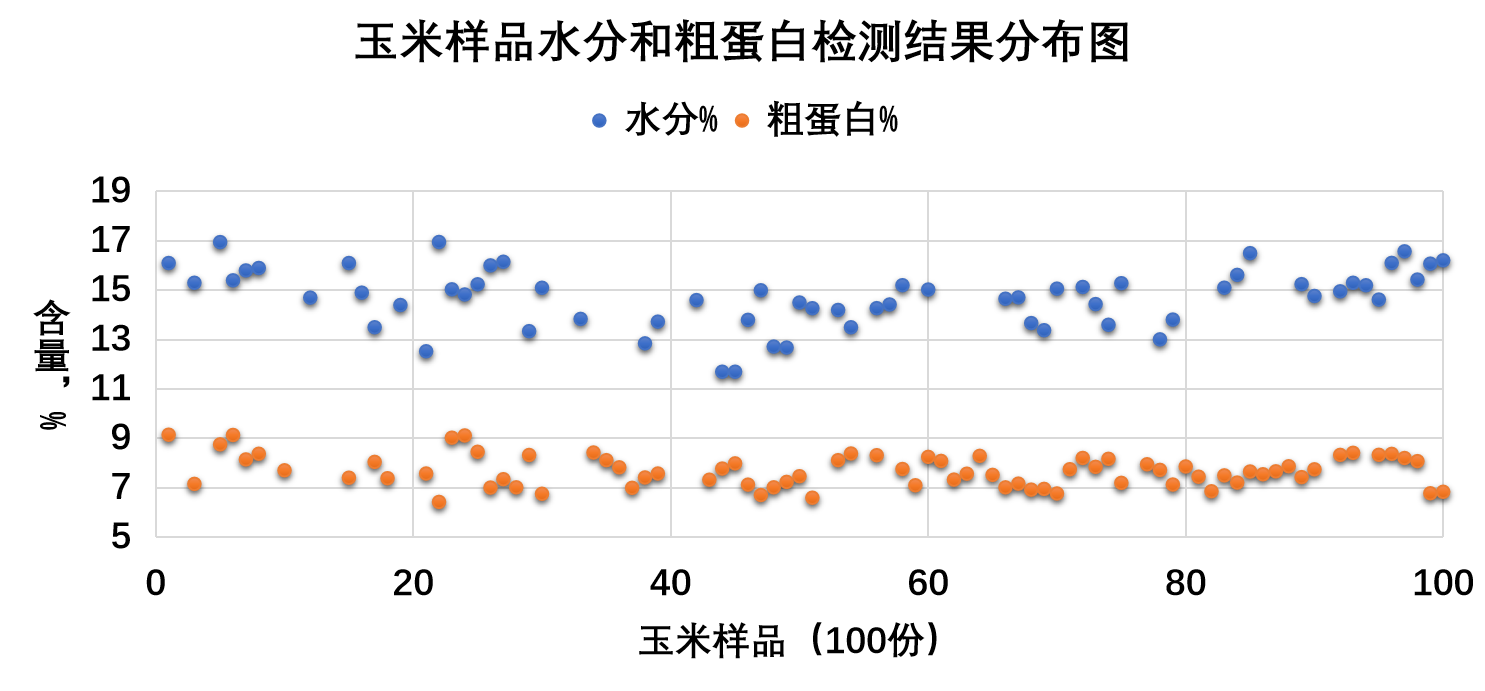
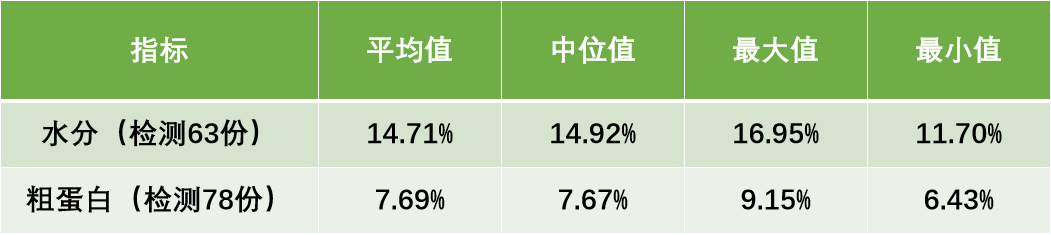
Moisture, crude protein and mycotoxins were mainly detected in corn samples. The test results of moisture and crude protein content are as follows:
The detection results of mycotoxins in corn samples are shown in the following table:
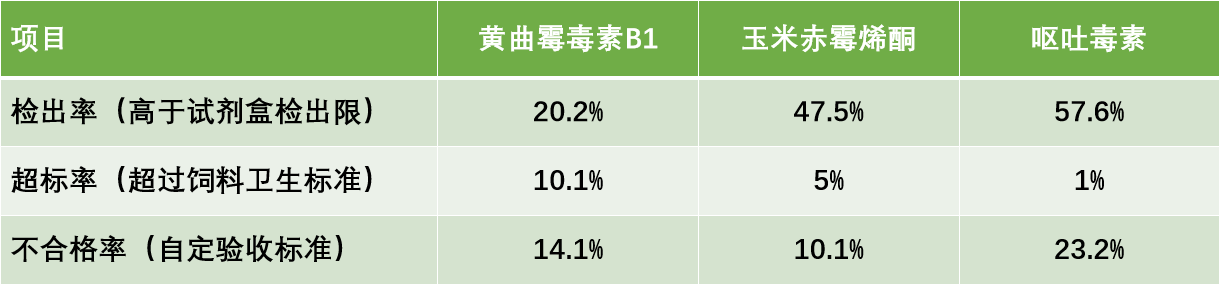
Note: Self-determined acceptance standard (stricter than feed hygiene standard): aflatoxin B1 ≤ 10 μg/kg; Zearalenone ≤ 200 μg/kg; Vomitin ≤ 1000 μg/kg.
2. Soybean Meal
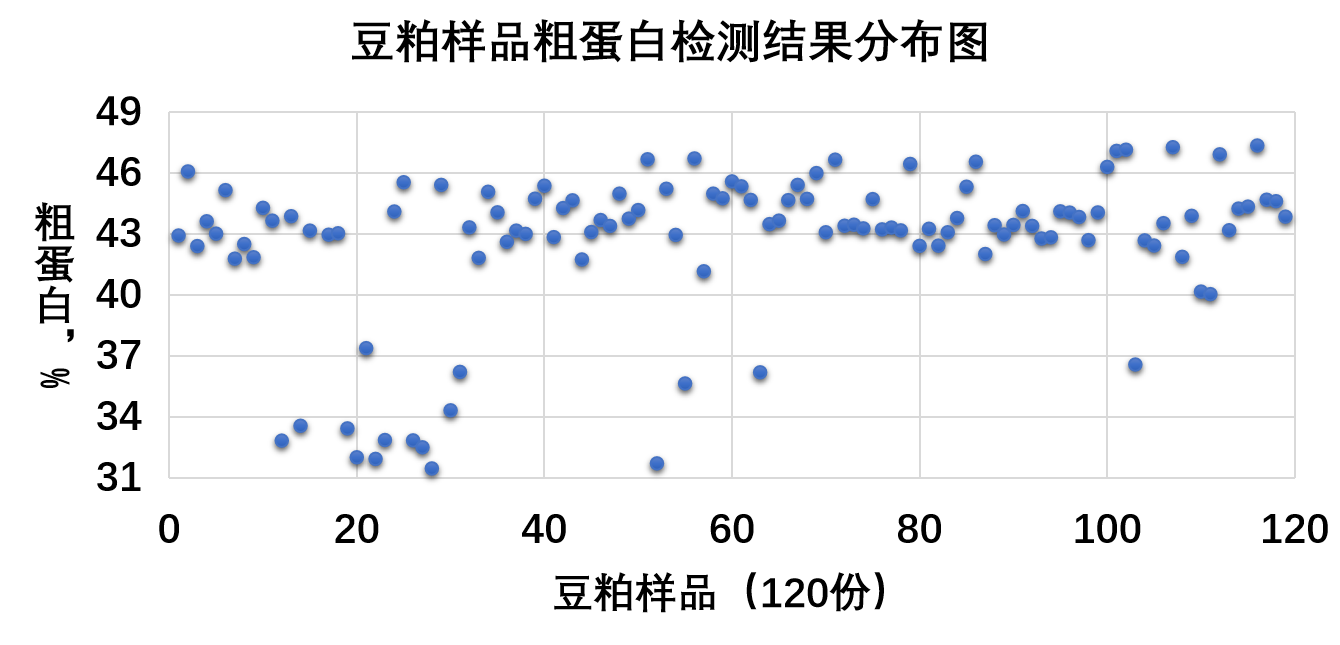
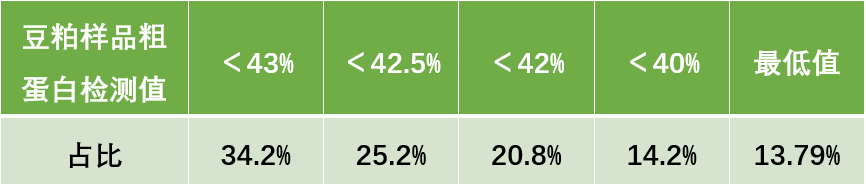
The crude protein content of soybean meal samples was mainly detected. It was found that the crude protein content of soybean meal samples submitted by some farms was low and adulterated. The specific detection results are as follows:
3. bran
Bran samples mainly detect crude protein and mycotoxins. In 2023, the amount of bran samples submitted for inspection by egg poultry farms was relatively small, with only 10 samples and 1 bran sample.vomit toxinExceeding the requirements of the "Feed Hygiene Standard", 3 parts exceeded 1000 μg/kg, and the crude protein content of bran was about 16%.
4. stone powder
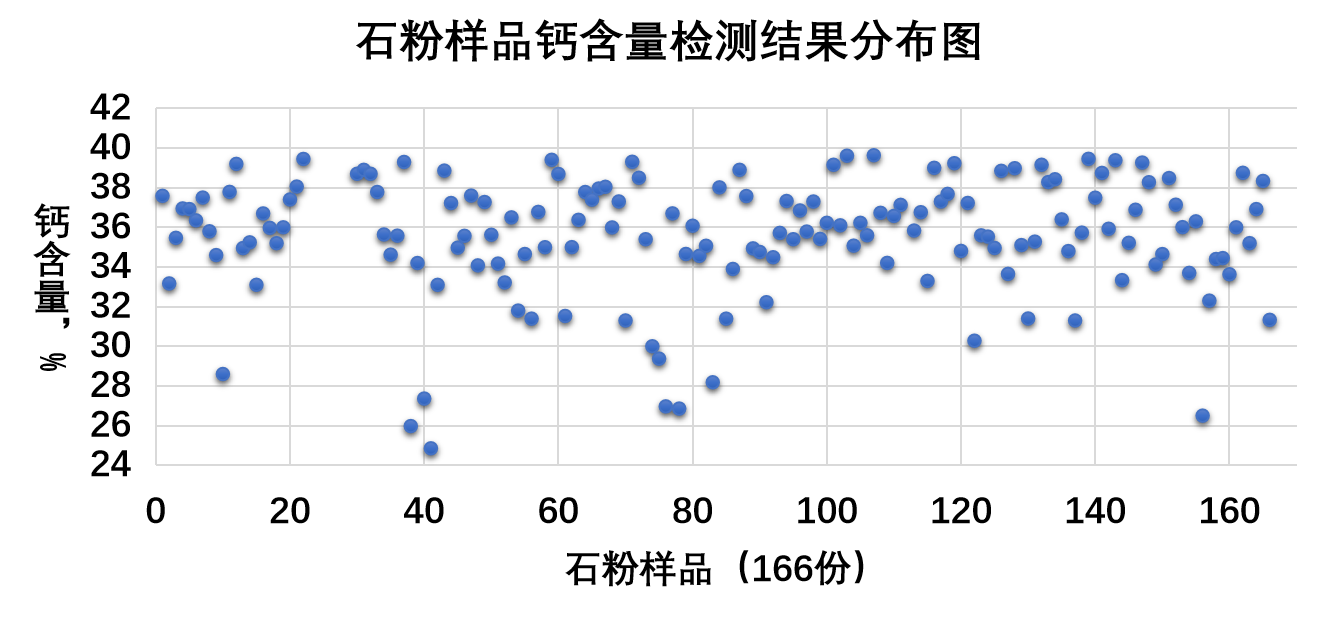
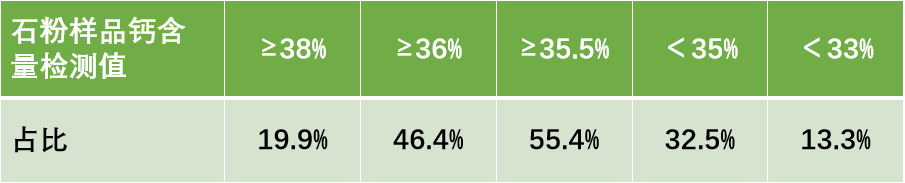
Stone powder samples were mainly detected for calcium content and heavy metal lead content. The calcium content of stone powder sample is greater than or equal to 36%, only 46.4, the specific test results are as follows:
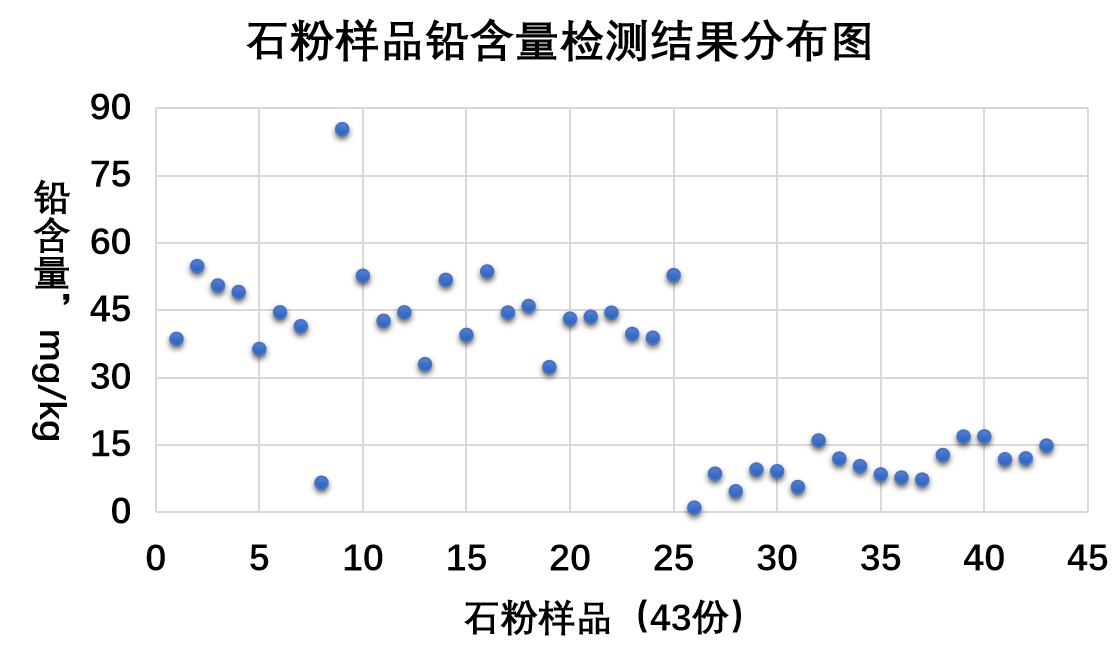
The "Feed Hygienic Standard" requires the lead content of mineral feed raw materials to be ≤ 15 mg/kg. According to this limit, the lead content of stone powder samples exceeds the standard by 62.8. Studies have shown that lead as a heavy metal element, accumulation in the body will lead to the liver to produce a large number of free radicals and reactive oxygen species, resulting in oxidative stress and lipid peroxidation, leading to liver damage.
5. full price material
The full-price material samples are mainly used to detect crude protein, calcium, phosphorus, mycotoxins and other indicators. Only the mycotoxin test results are listed here:
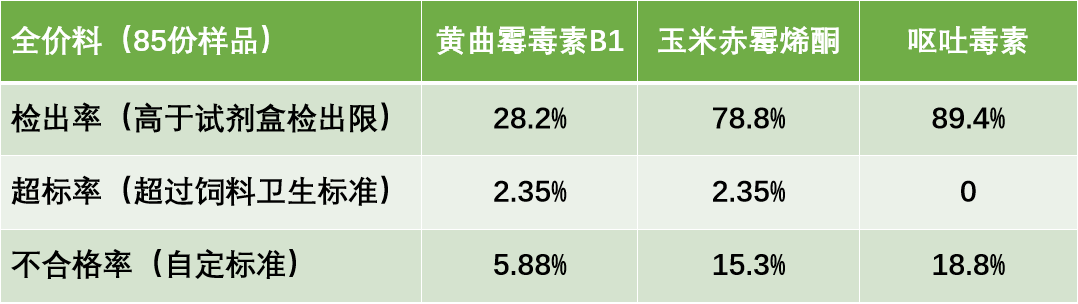
Note: Self-determined standard (stricter than feed hygiene standard): aflatoxin B1 ≤ 10 μg/kg; Zearalenone ≤ 200 μg/kg; Vomitin ≤ 1000 μg/kg.
6. drinking water
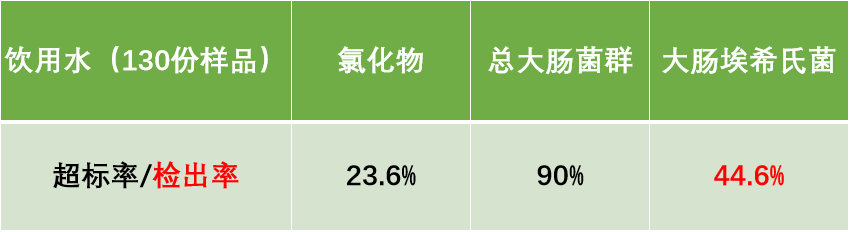
Drinking water is mainly tested for chloride, total coliform andEscherichia coli. Referring to the "Groundwater Quality Standard GB14848-2017", which requires "chloride ≤ 250 mg/L, total coliform ≤ 3.0 MPN/100mL, Escherichia coli is not allowed to be detected", the over-standard rate of Escherichia coli in drinking water samples reached 44.6.
Summary
In summary, there are some differences in the nutrient content of feed raw materials in different batches of inspection, some soybean meal samples are adulterated, and the sanitary indicators of some raw materials and drinking water samples exceed the standard. The standard of nutrient content of feed raw materials is an important basis for ensuring the accuracy of the formula, and the standard of health indicators is the basis for ensuring animal health. It is recommended that egg and poultry farms pay attention to the quality control of raw materials and related breeding inputs.
Previous article
More content
A
A
A
A
A
ANCHEE GROUP
TelPhone: 86-531-88771588
Fax: 86-531-88771898
E-mail: ac@anchee.com
Office address: Floor 25, Building 5, Lushang Guoao City, Lixia District, Jinan City, Shandong Province